Signs Your Home Needs Improved Roof Ventilation
If your home shows signs like excess heat, moisture, or mold, local contractors specializing in improved roof ventilation installation can help address these issues effectively.
Homeowners in the area who notice unusual signs such as excessive heat buildup in the attic, persistent humidity, or uneven roof wear may be experiencing issues related to inadequate roof ventilation. Recognizing these indicators early can help prevent more significant problems like mold growth, structural damage, or increased energy costs. Exploring the topic of signs your home needs improved roof ventilation is a practical step for property owners looking to maintain a comfortable, durable, and efficient living environment. As local contractors offer specialized services to enhance roof airflow, understanding these warning signs can guide decision-making and ensure the right solutions are implemented.
Continuing to read can provide valuable insights into how proper roof ventilation benefits the home and when it might be time to seek professional assistance. Many property owners find that addressing ventilation concerns promptly can extend the lifespan of roofing components and improve overall home performance. Local service providers are equipped to handle installation and upgrades, helping homeowners achieve optimal airflow and ventilation. Staying informed about the signs your home needs improved roof ventilation empowers property owners to take proactive steps toward a healthier, more comfortable living space.
- Roof Ventilation Assessment - homeowners noticing excess heat or humidity inside their attic may need this service, which local contractors approach by evaluating existing ventilation systems and recommending improvements.
- Attic Ventilation Installation - when attic spaces feel stuffy or moisture buildup is evident, local service providers can install proper ventilation to promote airflow and reduce indoor humidity.
- Roof Ventilation Upgrade - signs of aging or inadequate airflow in existing ventilation systems prompt local pros to enhance or replace current setups for better attic health.
- Attic Insulation and Ventilation Combo - if insulation appears compressed or moldy, local contractors often combine insulation upgrades with ventilation improvements to optimize attic conditions.
- Ventilation System Repair - persistent musty odors or uneven attic temperatures indicate the need for repairs, which local service providers can perform to restore proper airflow.
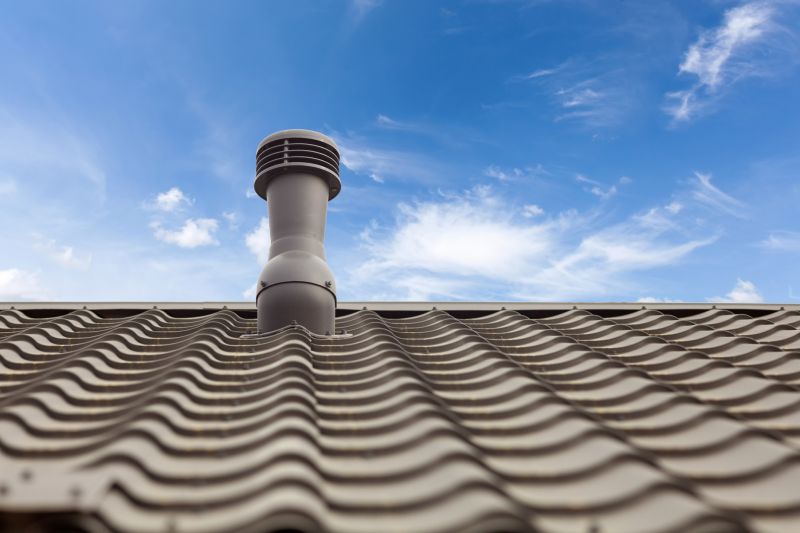
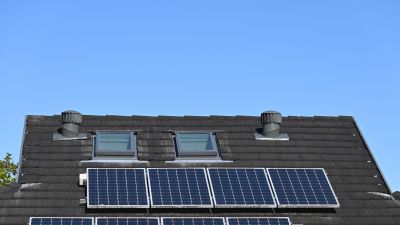
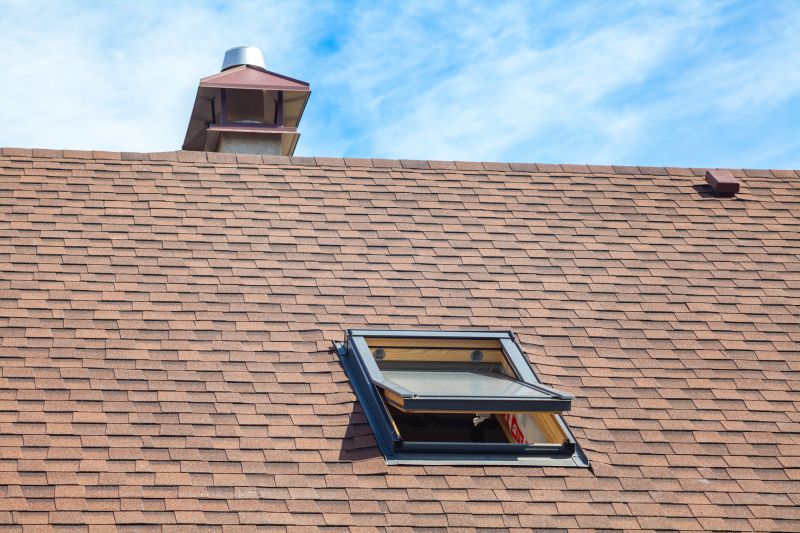
Understanding the signs that your home needs improved roof ventilation is essential for maintaining a healthy and efficient living environment. When homeowners search for this topic, they often want to identify early warning indicators that their attic or roof system isn’t ventilating properly. Common concerns include excessive heat buildup during warmer months, persistent humidity or moisture issues, and unusual sounds like whistling or rattling from vents. Recognizing these signs can help prevent more serious problems, such as mold growth, wood rot, or increased energy costs, which often result from inadequate airflow in the attic space.
The problems associated with poor roof ventilation typically relate to temperature regulation, moisture control, and overall roof longevity. Without proper airflow, warm air can become trapped in the attic, leading to higher cooling costs and potential damage to roofing materials. Excess moisture can cause condensation, which fosters mold growth and accelerates deterioration of roof sheathing and framing. Property owners planning to improve ventilation often consider adding or upgrading vents, attic fans, or other systems to promote better airflow. These projects are especially relevant for homes that show signs of heat retention, moisture issues, or uneven roof wear, as addressing ventilation can extend the life of the roofing system and improve indoor comfort.
Properties that frequently come up in discussions about roof ventilation include single-family homes, especially those with attic spaces that are poorly insulated or sealed. Older homes tend to have outdated venting systems or lack sufficient ventilation features altogether. Additionally, certain types of roofs-such as gable, hip, or flat roofs-may require different approaches to ventilation, making it important to consult with local contractors experienced in various roof styles. Commercial properties and multi-family buildings can also encounter ventilation challenges, particularly if they have complex roof structures or limited attic access. Recognizing these property types helps homeowners understand when professional assessment and installation are needed to address ventilation issues effectively.
Local service providers who specialize in improved roof ventilation installation play a key role in helping homeowners resolve these issues. These contractors can evaluate the existing roof and attic conditions, identify signs of inadequate airflow, and recommend suitable solutions tailored to each property’s needs. Whether it involves installing intake and exhaust vents, attic fans, or other ventilation systems, these pros bring the expertise necessary to improve airflow and protect the roof’s integrity. Connecting with experienced local contractors ensures that projects are handled efficiently and correctly, helping homeowners maintain a comfortable, durable, and energy-efficient home environment.
Attic Insulation Projects - Proper attic insulation often works hand-in-hand with roof ventilation improvements to prevent heat buildup and moisture issues that can signal ventilation problems.
Attic Ventilation Assessment - Evaluating existing attic ventilation systems helps identify deficiencies that may require upgraded or additional vents, similar to addressing signs your home needs improved roof ventilation.
Roof Repair and Replacement - Repairing or replacing damaged roof components can be necessary when signs of poor ventilation, such as leaks or mold, are present, requiring skilled local contractors.
Attic Air Sealing - Sealing air leaks in the attic can improve overall ventilation efficiency and is often recommended alongside ventilation upgrades to resolve signs your home needs improved roof ventilation.
Roof Inspection Services - Comprehensive roof inspections can reveal issues like inadequate airflow or moisture buildup that indicate the need for ventilation improvements.
Attic Fan Installation - Installing attic fans can enhance airflow and reduce signs of poor ventilation, making it a related service that local contractors frequently provide.
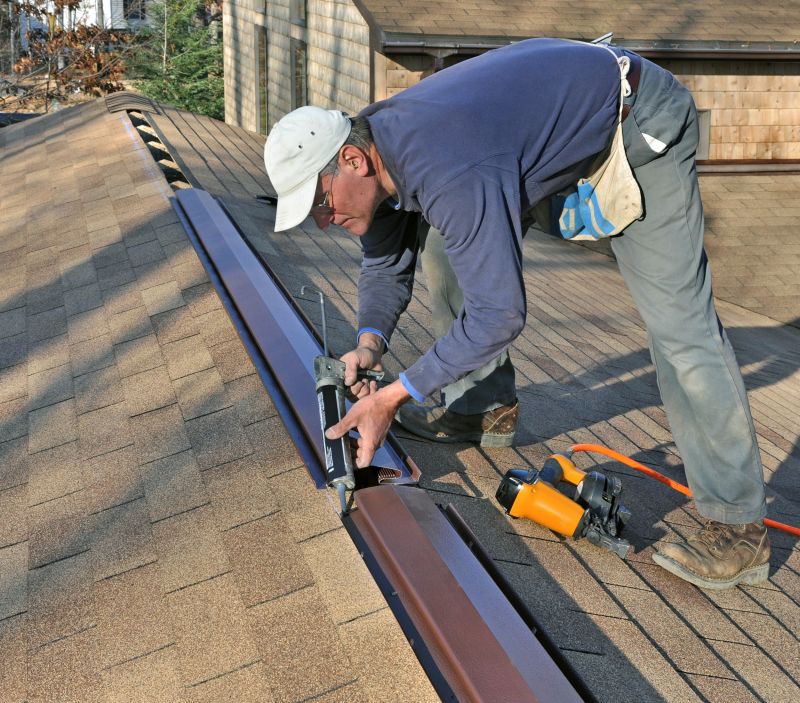
When evaluating service providers for improved roof ventilation installation, it is important to consider their experience with similar projects. Homeowners should look for local contractors who have a proven track record of handling ventilation upgrades, as this indicates familiarity with the specific challenges and solutions related to different roof types and home designs. An experienced contractor can provide insights into the most effective ventilation strategies, ensuring that the installation addresses the signs your home needs improved roof ventilation effectively and reliably.
Clear written expectations are essential when comparing local pros for this type of work. Homeowners should seek providers who offer detailed project descriptions, including the scope of work, materials to be used, and the estimated process. Having a transparent understanding of what to expect helps prevent misunderstandings and ensures that the installation aligns with the home's needs. Reputable service providers will be willing to outline these details upfront, giving homeowners confidence that the project will meet their expectations and address the signs indicating ventilation issues.
Good communication and reputable references are key factors in choosing the right local contractors. Service providers who are responsive and willing to answer questions demonstrate professionalism and a commitment to customer satisfaction. Additionally, asking for references or reviews from previous clients can provide insights into the contractor’s reliability and quality of work. These elements help homeowners make informed decisions, ensuring that the chosen professional can effectively identify signs your home needs improved roof ventilation and deliver a service experience that meets their needs.
Property owners often search for signs your home needs improved roof ventilation when they are planning practical projects around their homes and businesses. Local pros provide Improved Roof Ventilation Installation services for everyday jobs and straightforward project options.
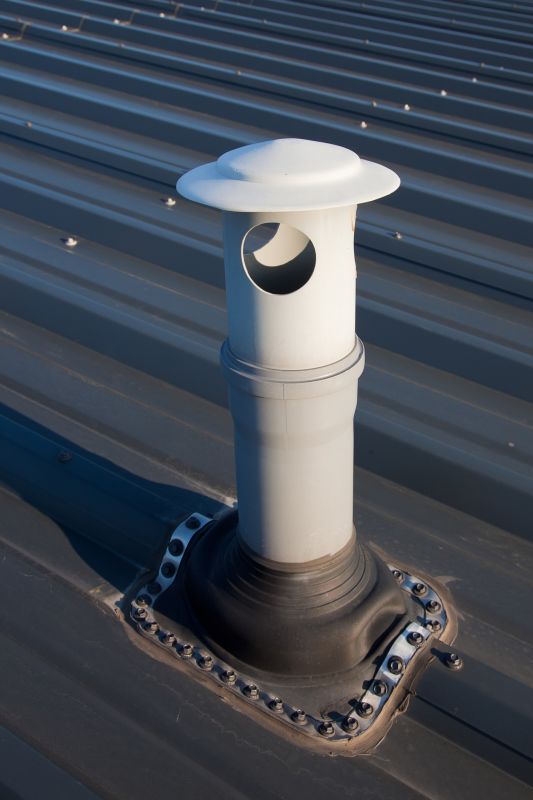
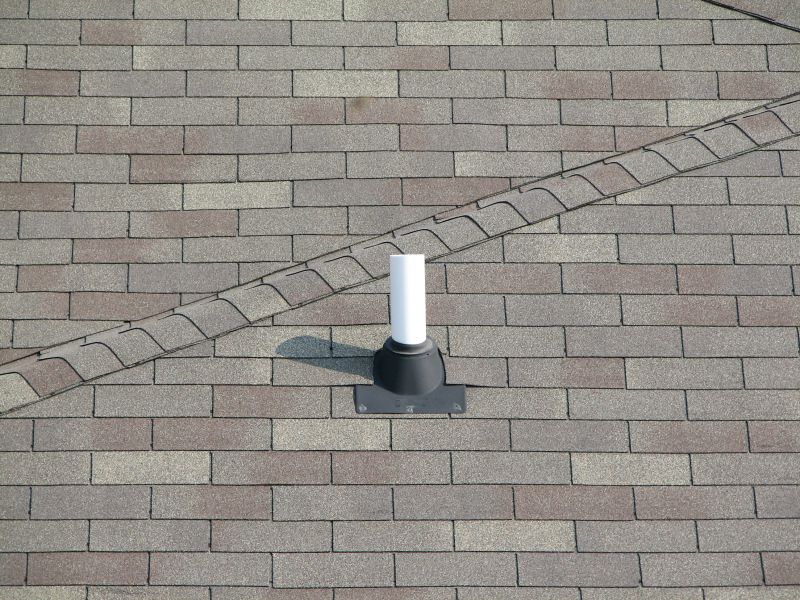
Homeowners in the area might notice signs that their roof ventilation needs improvement during routine home inspections or seasonal changes. For example, excessive heat buildup in the attic during summer months can lead to increased cooling costs and potential damage to roofing materials. Additionally, persistent moisture or condensation issues inside the attic or ceilings may indicate inadequate airflow, which can accelerate mold growth and compromise the structural integrity of the roof. Recognizing these common signs can prompt property owners to explore options for improved roof ventilation installation provided by local contractors.
Other everyday situations that highlight the need for better roof ventilation include the presence of musty odors or visible mold in the attic space, especially after heavy rain or humid weather. These issues often stem from poor airflow, trapping moisture and creating an environment conducive to mold and mildew. Homeowners who notice uneven roof temperatures or hear whistling sounds from vents during windy days may also consider consulting local service providers to evaluate their current ventilation system. Connecting with experienced local contractors can help ensure that the home’s roof ventilation is properly upgraded to promote healthier, more efficient indoor conditions.
What are common signs that my home needs improved roof ventilation? Indicators include excessive heat buildup in the attic, persistent moisture or mold growth, and noticeable temperature differences between rooms and the attic space.
How can poor roof ventilation affect my home's energy efficiency? Inadequate ventilation can lead to higher cooling and heating costs due to trapped heat and inconsistent indoor temperatures, signaling a need for ventilation improvements.
Are there visible signs on the roof that suggest ventilation issues? Yes, signs such as damaged or missing vents, excessive debris blocking vents, or dark streaks and moss growth can indicate ventilation problems.
What impact does poor roof ventilation have on attic health? It can cause moisture buildup, leading to mold, wood rot, and structural damage, which are signs that improved ventilation may be necessary.
How do local contractors determine if my home needs better roof ventilation? They typically assess attic airflow, inspect vents and insulation, and look for signs of moisture or heat buildup to recommend suitable ventilation solutions.
- noticing higher indoor temperatures during summer months may indicate poor roof ventilation, prompting property owners to explore ventilation improvements with local contractors.
- persistent musty or stale smells can suggest inadequate airflow, encouraging homeowners to seek ventilation upgrades from nearby service providers.
- spotting mold growth in the attic or on roof sheathing can be a sign that ventilation needs enhancement, leading property owners to consider professional installation services.
- recurring ice dams on the roof during winter can point to insufficient ventilation, motivating homeowners to improve airflow with help from local contractors.
If you are thinking about signs your home needs improved roof ventilation for a property, this guide is meant to help you understand this topic, the typical project types, and how different options might fit your plans.
When you are ready, you can use the quote form on this page to share a few details about your project. From there, local pros can review the basics and follow up with options that match what you have in mind.